
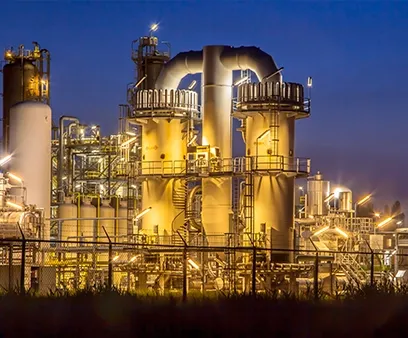
Chemical Industry
High-temperature chemical plants stress refractories and internals with rapid cycling, aggressive atmospheres, and long campaigns—exactly where SiC kiln furniture and structural SiC earn their place alongside catalyst supports that must survive hot gas and abrasion. Carbon additions also matter when processes need a dependable reducing carbon or electrode-grade carbon quality, not just bulk fuel. We supply SiC and carbon grades matched to those service modes so uptime and batch repeatability stay anchored in material choice.
Application Overview
Carbon & Alloy Solutions for Chemical
Silicon carbide is widely used where ceramics see simultaneous heat, corrosive atmospheres, and thermal shock—kiln furniture, setter plates, and furnace hardware operating from roughly 1,200 °C up through the highest practical firing regimes depend on SiC’s thermal shock resistance and hot strength. In fixed- and fluidized-bed units, SiC-based media and supports can stabilize temperature distribution and withstand erosive flow when catalyst carriers must last whole campaigns. Carbothermic and high-temperature reductions also draw on high fixed-carbon materials when a controlled carbon source is part of the chemistry. For carbon electrodes and conductive carbon forms, low ash and consistent real density support electrical and process predictability. Our SiC, CAC, and GPC lines map to refractory structure, reduction chemistry, and conductive carbon needs in chemical and materials plants.
Industry Challenges
- Combating high-temperature corrosion and erosion in reactors, kilns, and heat exchangers operating above 1,200°C in aggressive atmospheres
- Maintaining catalyst bed performance and uniformity over extended campaign lengths in fixed-bed and fluidized-bed reactors
- Thermal shock resistance in cyclical processes where equipment surfaces experience ΔT >500°C during startup and shutdown
- Meeting chemical purity requirements where carbon or silicon contamination from process materials must be minimized
- Extending refractory and structural component life in environments with simultaneous thermal, chemical, and mechanical stress
Our Solutions
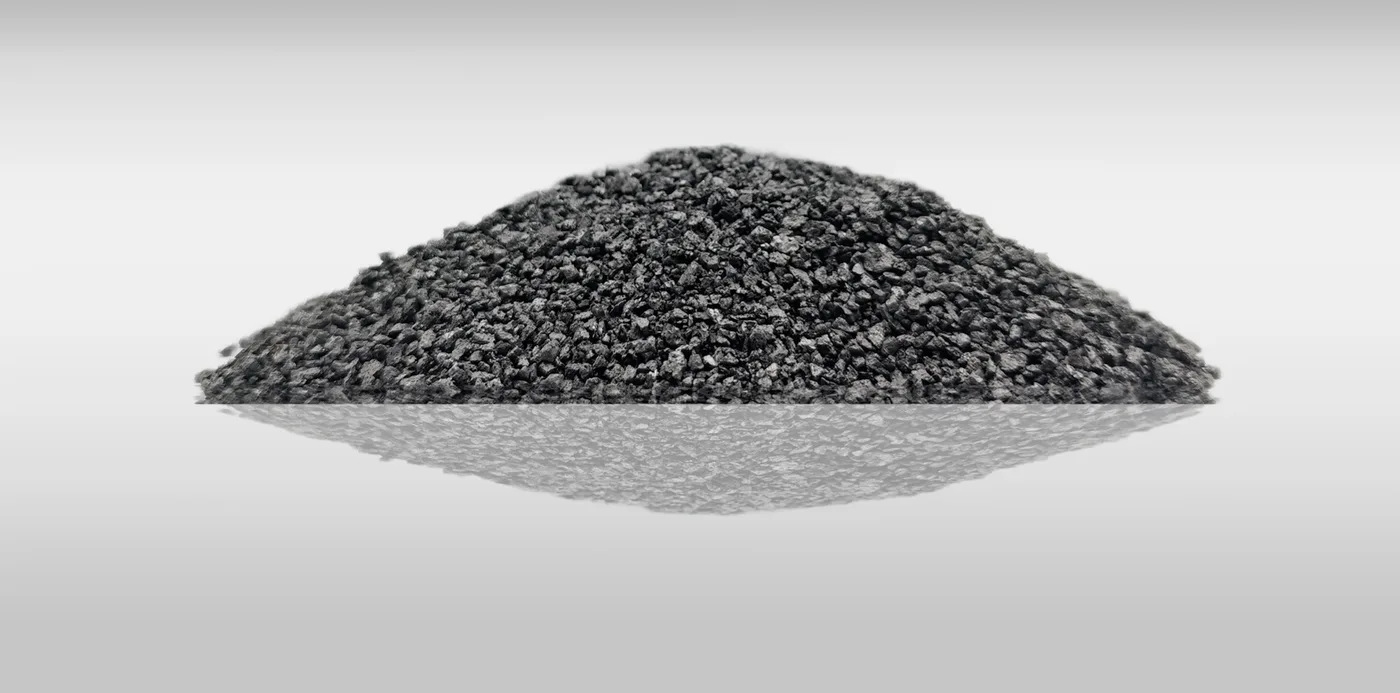
- Refractory-grade SiC (SiC >88%) for kiln furniture, burner nozzles, and furnace linings that resist thermal shock and chemical attack simultaneously
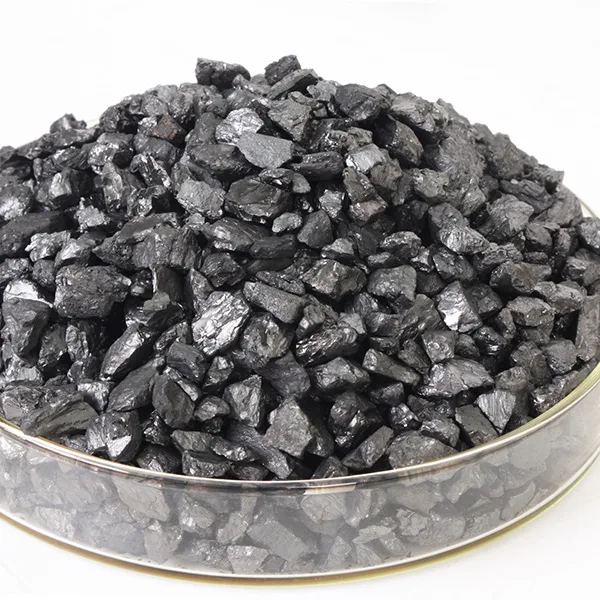
- High fixed-carbon CAC as a reducing agent in carbothermic processes — silicon production, calcium carbide synthesis, and mineral reduction
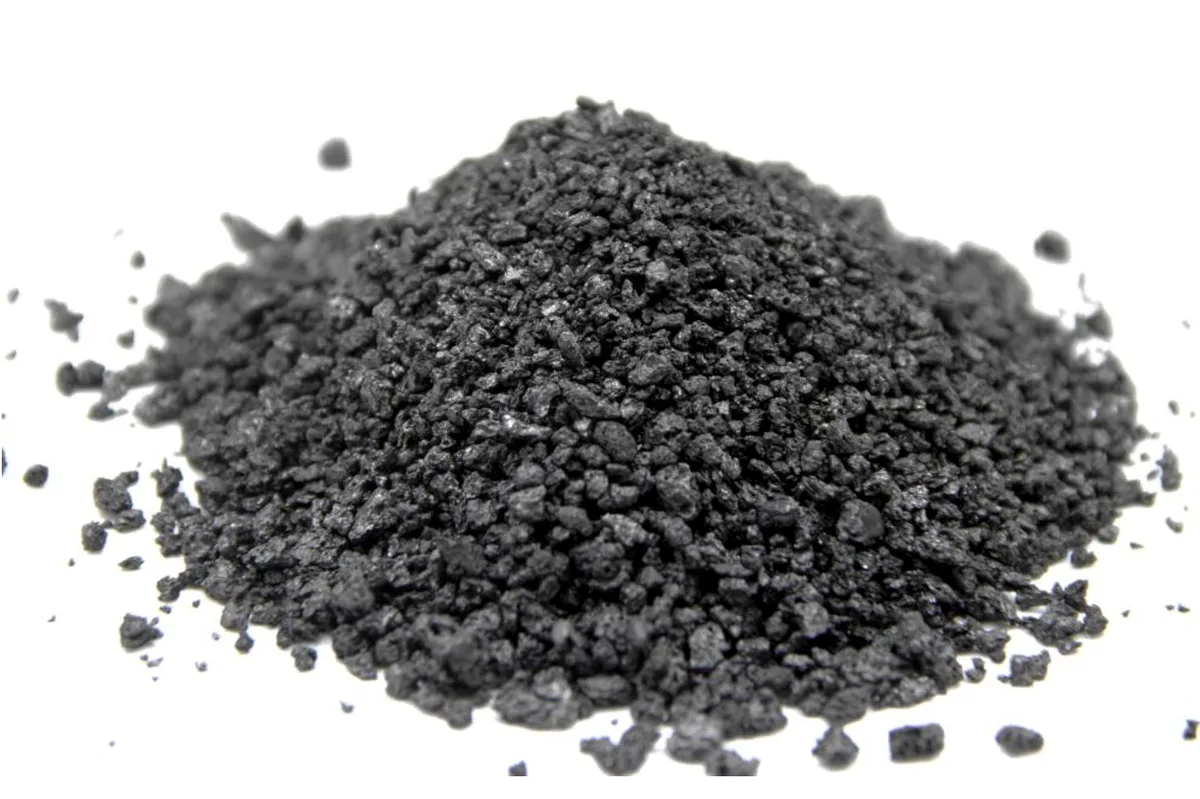
- GPC and CPC for carbon electrode manufacture where electrical conductivity, low ash, and consistent real density are critical
- Customized SiC grain size distributions for catalyst support beds, fluidized bed media, and abrasive applications
Recommended Products
These carbon additives and alloy products are optimized for chemical applications.
Key Benefits
2–3x extension of refractory component life compared to conventional alumina or fire clay materials in comparable service conditions
Higher thermal conductivity enabling more uniform temperature distribution in reactor vessels, improving conversion rates and selectivity
Chemical inertness to most mineral acids, molten metals, and alkali solutions at temperatures up to 1,600°C
Consistent material properties lot-to-lot, enabling predictable process performance and reduced unplanned maintenance
Need Carbon Additives for Chemical?
Our technical team can recommend the optimal carbon additive grade, particle size, and addition practice for your specific chemical process. Request a free sample to validate performance in your furnace before committing to production volumes.