
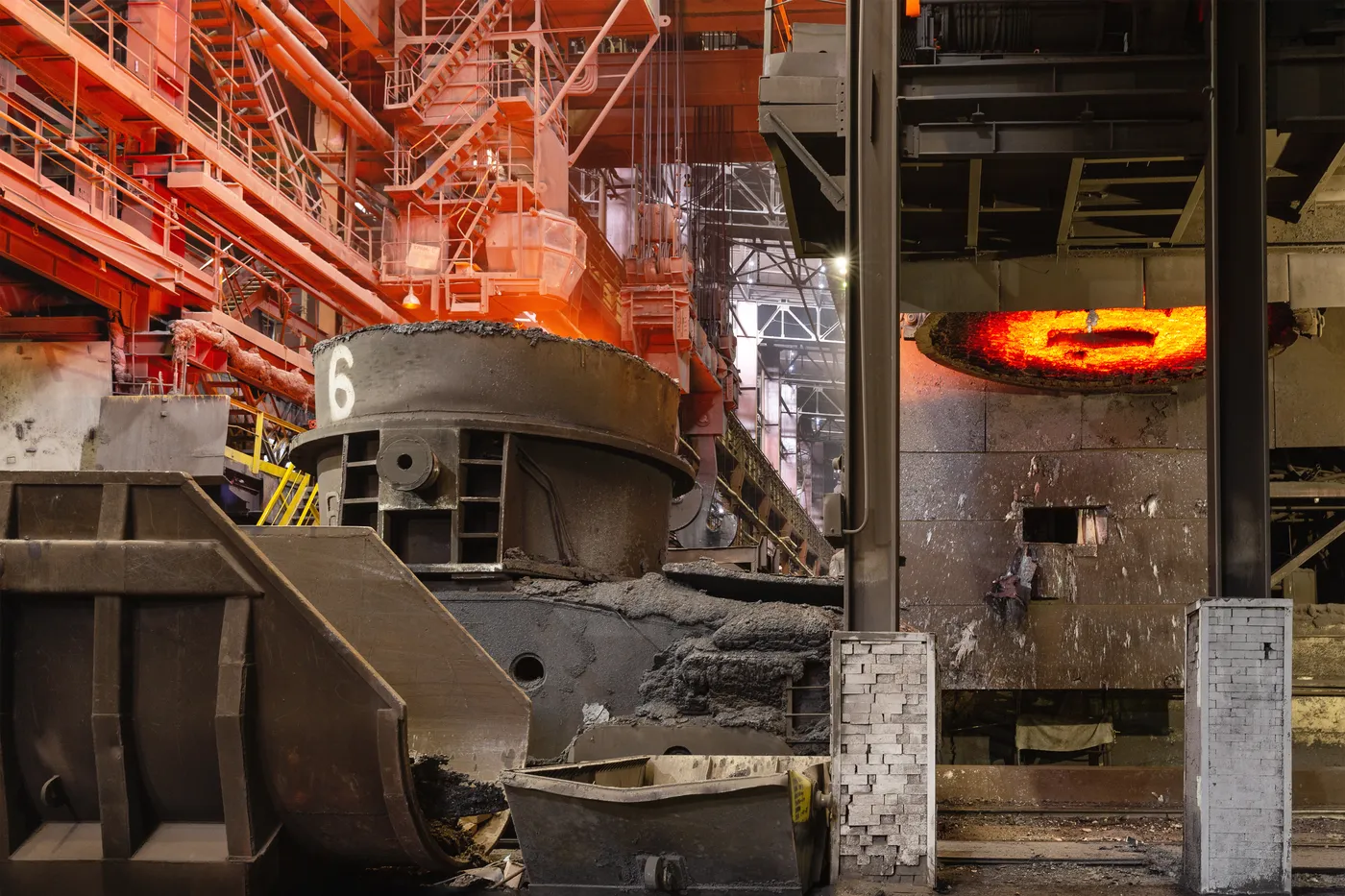
Ferroalloy Production
Submerged arc furnace operations demand reductants that maintain lump integrity through the burden column while delivering consistent carbon reactivity. We supply semi-coke and calcined anthracite sized specifically for SAF feeding — controlling fines generation, ash content, and volatile behavior to support stable furnace operation and predictable alloy quality.
Application Overview
Carbon & Alloy Solutions for Ferroalloys
Ferroalloy smelting in submerged arc furnaces (SAF) relies on carbon reductants with controlled sizing, low ash, and predictable reactivity to convert oxide ores into metallic alloys. Semi-coke and calcined anthracite serve as primary reductants for FeSi, SiMn, and silicon metal production, where lump integrity, furnace permeability, and impurity budgets (particularly phosphorus, sulfur, and ash) directly impact alloy grade, energy consumption, and furnace stability.
Industry Challenges
- Maintaining furnace permeability as reductant degrades and generates fines in the burden column
- Controlling phosphorus and sulfur transfer from carbon reductant into the ferroalloy product
- Managing specific energy consumption (kWh/t) that increases with high-ash or high-moisture reductants
- Achieving consistent lump size distribution (10-30 mm, 20-60 mm) to prevent channeling and uneven gas flow
- Balancing reductant cost against carbon utilization efficiency and alloy recovery rates
Our Solutions
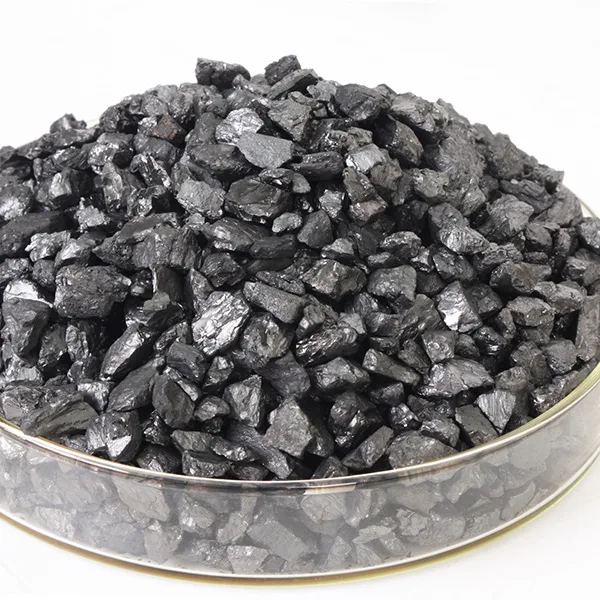
- Semi-Coke with FC 82-88%, low S (<0.5%), and controlled VM for consistent SAF reduction of manganese and silicon ores
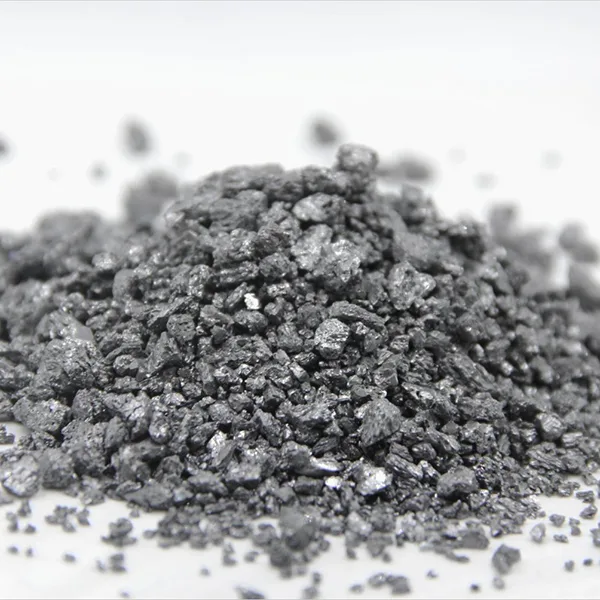
- CAC (10-30 mm, 20-60 mm lumps) as a high-FC supplementary reductant for FeSi and silicon metal furnaces
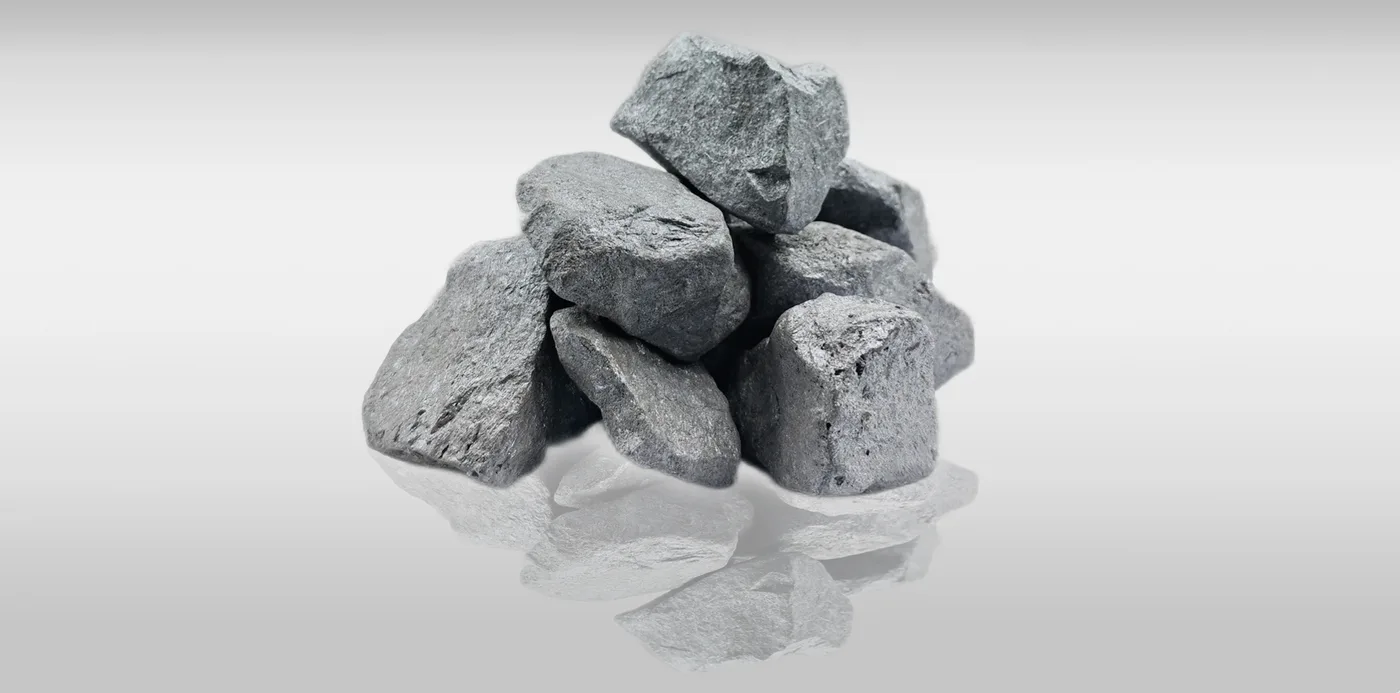
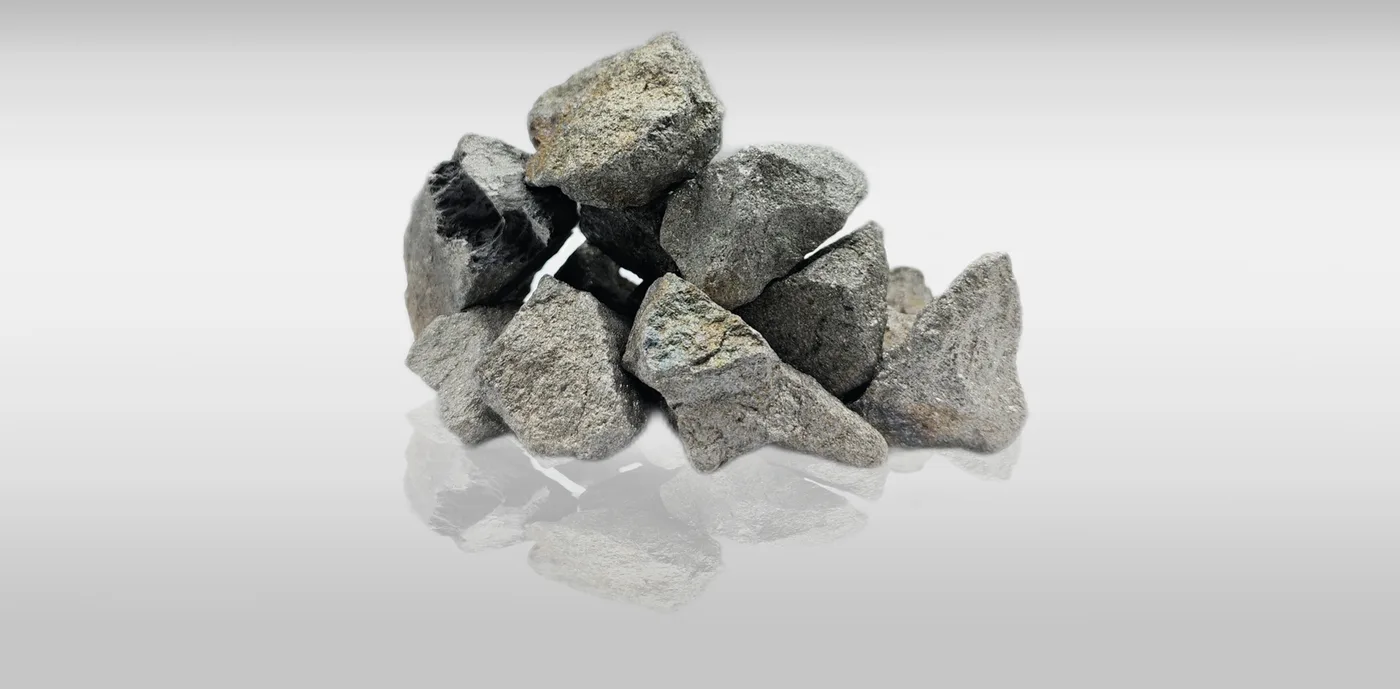
- FeSi 72-75% for downstream steelmaking deoxidation — produced with our own carbon materials
- SiMn 65/17 for combined manganese-silicon alloy applications in steel refining
Recommended Products
These carbon additives and alloy products are optimized for ferroalloys applications.
Key Benefits
Lower specific energy consumption through optimized reductant reactivity and reduced ash-induced slag formation
Improved furnace stability via controlled lump sizing that maintains permeability throughout the charge column
Reduced phosphorus and sulfur in final alloy through selection of low-impurity carbon sources
Trial support with small-lot shipments (1-2 containers) for furnace validation before bulk commitment
Need Carbon Additives for Ferroalloys?
Our technical team can recommend the optimal carbon additive grade, particle size, and addition practice for your specific ferroalloys process. Request a free sample to validate performance in your furnace before committing to production volumes.