
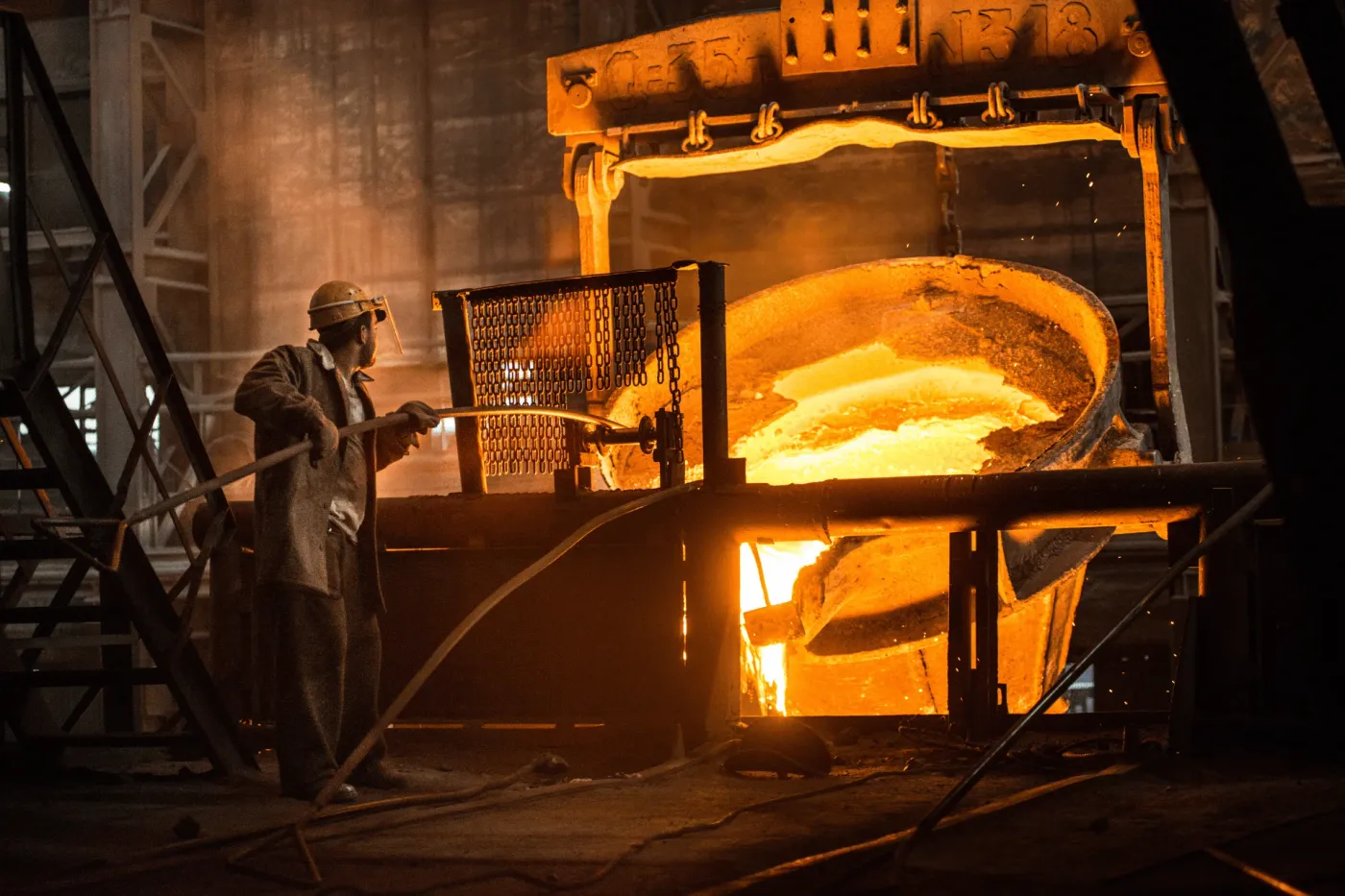
Steel and Iron Industry
EAF and BOF steelmaking depend on predictable carbon pickup: every heat oxidizes carbon from scrap and slag, and late corrections cost time, energy, and tap-to-tap efficiency. A purpose-built carbon additive for steelmaking and recarburizer strategy must match dissolution rate, sulfur and nitrogen budgets, and ladle chemistry—not just headline fixed carbon. Our materials are specified for those trade-offs so carbon control stays precise from melt to cast.
Application Overview
Carbon & Alloy Solutions for Steel & Iron
Carbon additive for steelmaking restores bath carbon lost to oxidation during melting and refining—EAF heats often see on the order of 0.15–0.25% carbon burn-off per heat from scrap and slag interaction—so operators can hold narrow chemistry bands from charge to tap. In EAF practice, recarburizer and carbon raiser additions are timed with power-on, bath formation, and ladle treatment to match dissolution behavior to tap-to-tap rhythm and energy use. Basic oxygen furnace (BOF) and secondary steelmaking still rely on controlled carbon inputs and trim additions where sulfur, nitrogen, and ash limits define grade acceptance. Silicon carbide can act as a deoxidizer while contributing carbon and silicon, supporting slag–metal balance in demanding heats. CAC, GPC, CPC, Semi Coke, and SiC are selected for fixed carbon, impurities, and sizing that align with bucket, bath, or injection routes.
Industry Challenges
- Hitting ±0.02% carbon targets when charging variable scrap mixes
- Preventing sulfur and nitrogen pickup from recarburizer that degrades steel properties
- Achieving rapid, uniform carbon dissolution to minimize holding time and energy costs
- Meeting increasingly tight quality windows as end-use specifications tighten globally
- Balancing recarburizer cost against metallic yield, energy consumption, and refining time
Our Solutions
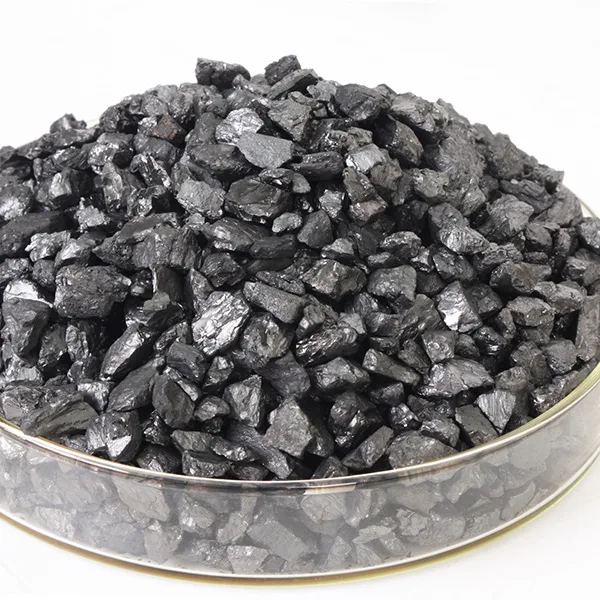
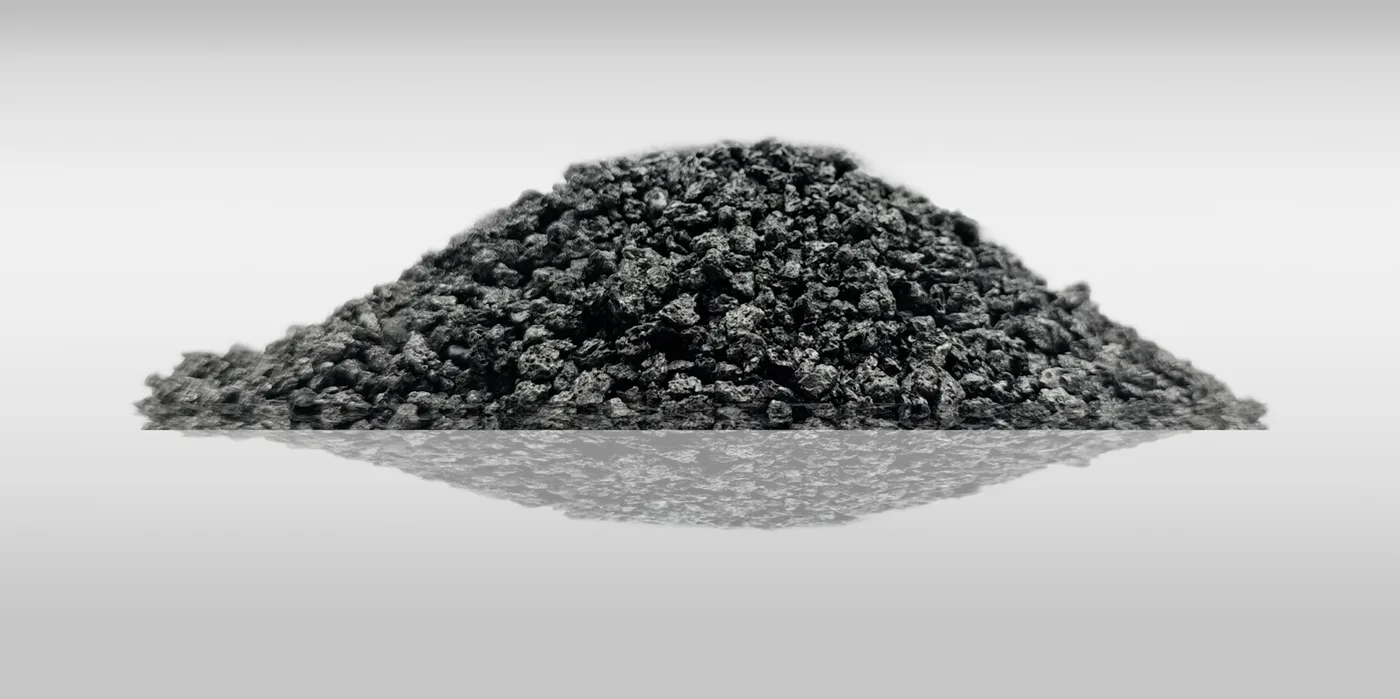
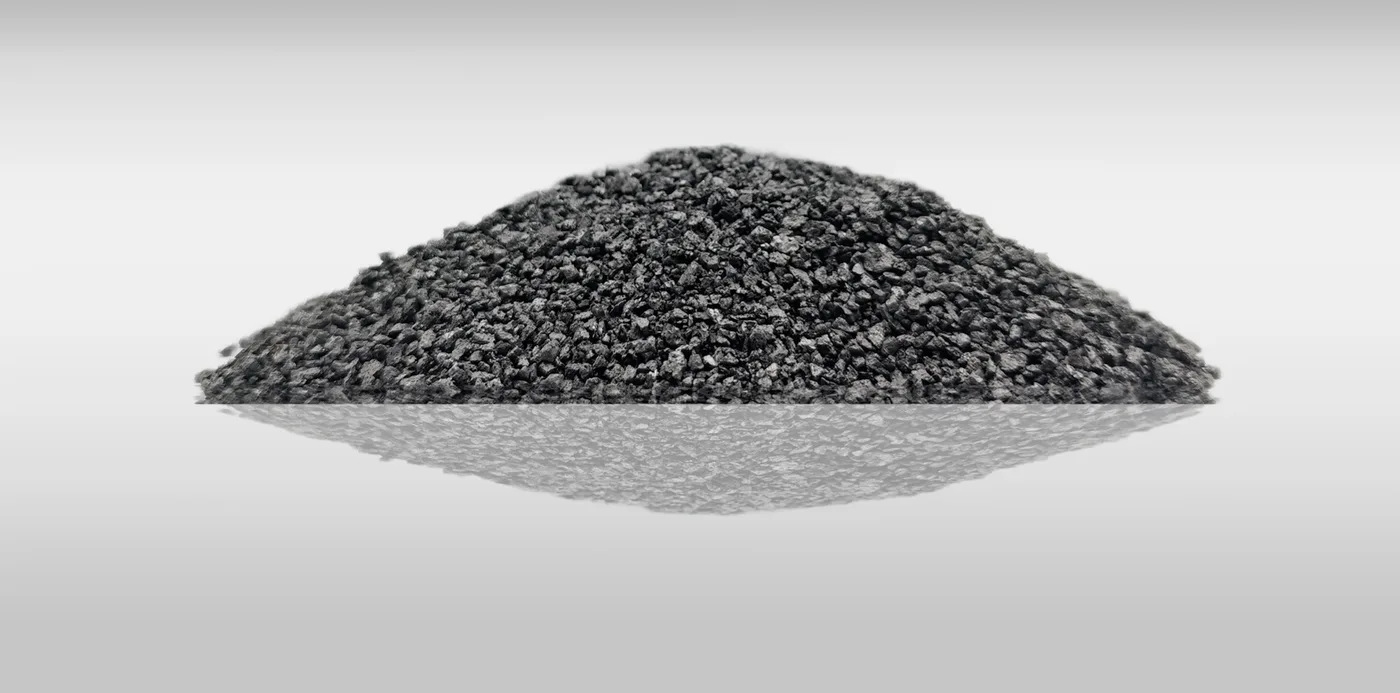
- CAC with FC 90–95% for primary carbon restoration in EAF operations — optimized particle sizes for bucket, bath, or injection feeding
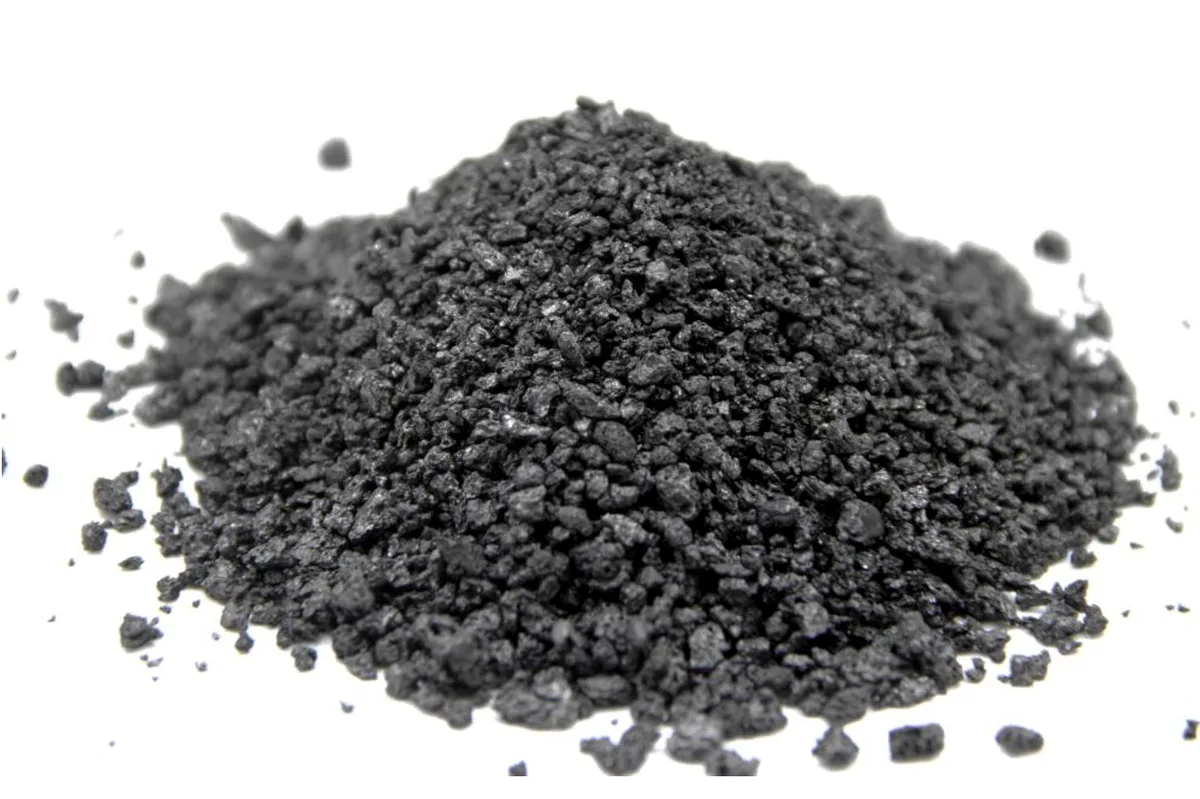
- GPC with FC 98.5%+ and S <0.05% for ladle trimming where sulfur limits are critical
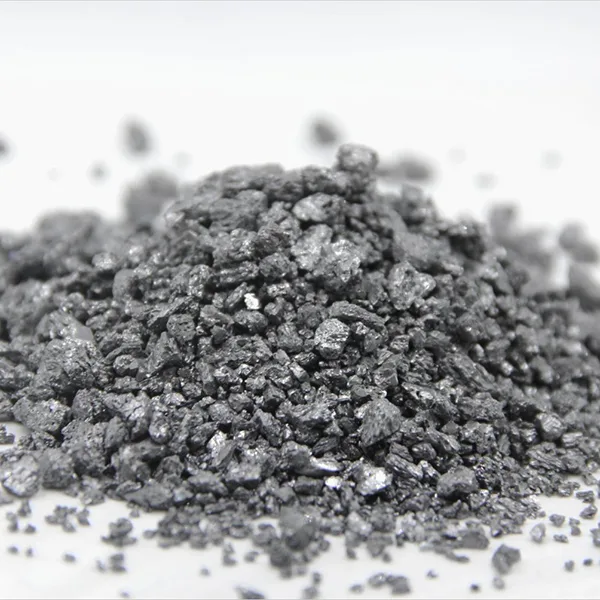
- SiC for simultaneous deoxidation, carbon/silicon adjustment, and exothermic energy contribution (10–15 kWh/t savings)
- Particle size distributions tailored to your feeding method: 0–1 mm for injection, 1–5 mm for bath addition, 3–10 mm for bucket charging
Recommended Products
These carbon additives and alloy products are optimized for steel & iron applications.
Key Benefits
Carbon recovery rates of 90–95% with our CAC versus 80–85% from commodity alternatives
Heat-to-heat carbon consistency within ±0.02% of target when using our recommended addition practice
Lower ash content means less slag formation, higher metallic yield, and reduced lime consumption
Total cost of recarburization reduced through better recovery, less energy, and fewer off-spec heats
Need Carbon Additives for Steel & Iron?
Our technical team can recommend the optimal carbon additive grade, particle size, and addition practice for your specific steel & iron process. Request a free sample to validate performance in your furnace before committing to production volumes.