
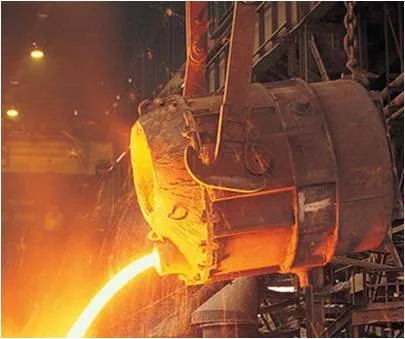
Foundry Industry
Foundry melting is where recarburizer quality shows up first: in ductile iron, sulfur and dissolution behavior from your carbon additive interact directly with nodularity targets; in gray iron, carbon control underpins graphite morphology and feeding behavior. Induction furnace melting rewards recarburizer sizing and purity that dissolve on your schedule, not the other way around. We align carbon raiser and alloy choices with how you charge, superheat, and treat each iron grade.
Application Overview
Carbon & Alloy Solutions for Foundry
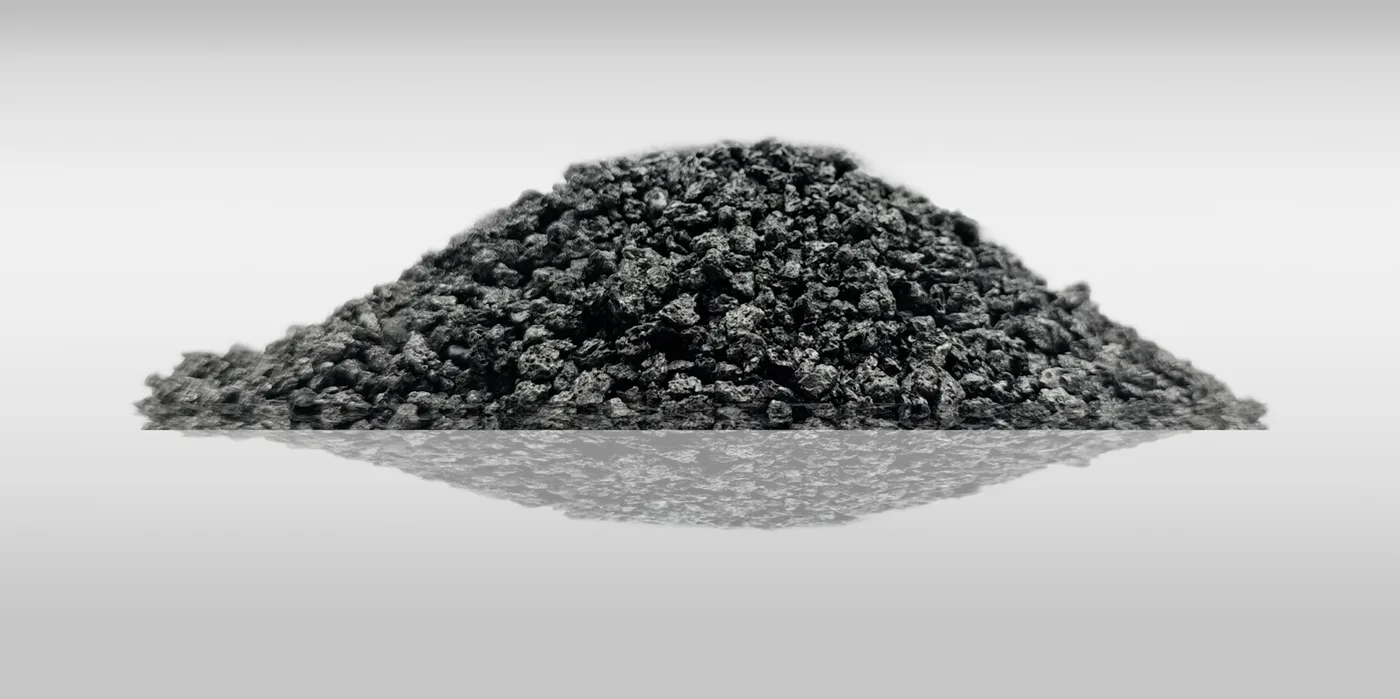
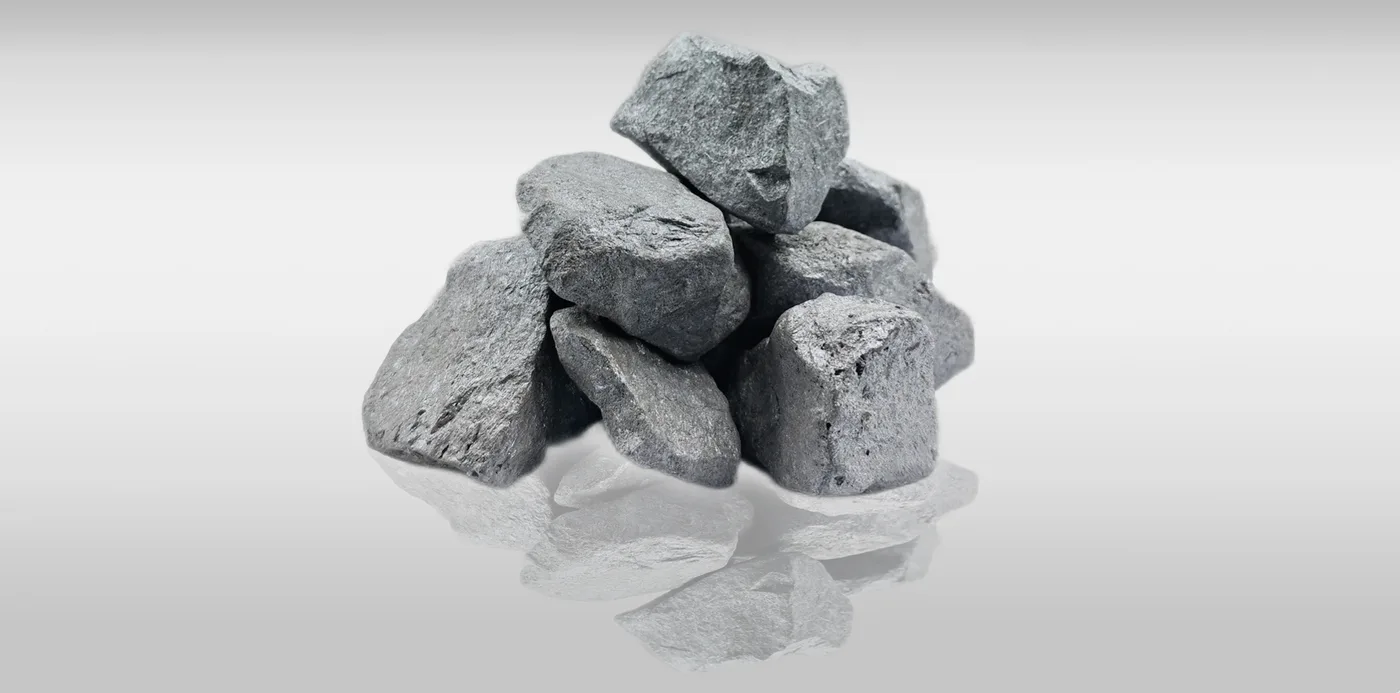
Recarburizer for foundry work must track carbon equivalent (CE), inoculation response, and how quickly carbon dissolves in the melt—especially in coreless and channel induction furnaces where cycle time is tight. For ductile iron, sulfur pickup from a carbon raiser can erode nodularity unless low-sulfur graphite or calcined options are matched to the treatment recipe. Gray iron still benefits from clean, consistent carbon addition to support Type A graphite and fluidity without excess gas-forming residuals. Fine versus coarse sizing changes dissolution time at typical iron melting temperatures (~1,450–1,500 °C), influencing holding time and throughput. CAC, GPC, CPC, Semi Coke, and supporting alloys are chosen to stabilize CE, surface quality, and mechanical properties batch to batch.
Industry Challenges
- Achieving consistent carbon pickup in induction furnaces with short holding times
- Eliminating gas porosity caused by excessive nitrogen and hydrogen in recarburizer
- Maintaining >80% nodularity in ductile iron when sulfur pickup from recarburizer exceeds 0.015%
- Controlling carbon equivalent (CE) within ±0.05 to prevent shrinkage and chill formation
- Reducing scrap rates caused by inclusions, porosity, and out-of-spec mechanical properties
Our Solutions
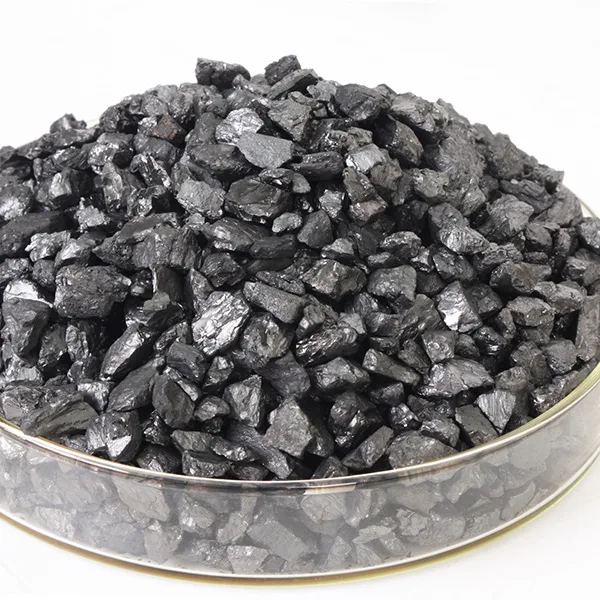
- Fine-grained CAC (0–1 mm, 1–3 mm) for rapid dissolution in coreless induction furnaces — dissolves in <8 minutes at 1,450°C
- GPC with S <0.03% for ductile iron applications where sulfur-induced nodularity loss cannot be tolerated
- CPC as a cost-effective high-purity alternative for grey iron and steel casting operations
- FeSi 75 for inoculation and graphite nucleation, promoting Type A graphite distribution in grey iron
Recommended Products
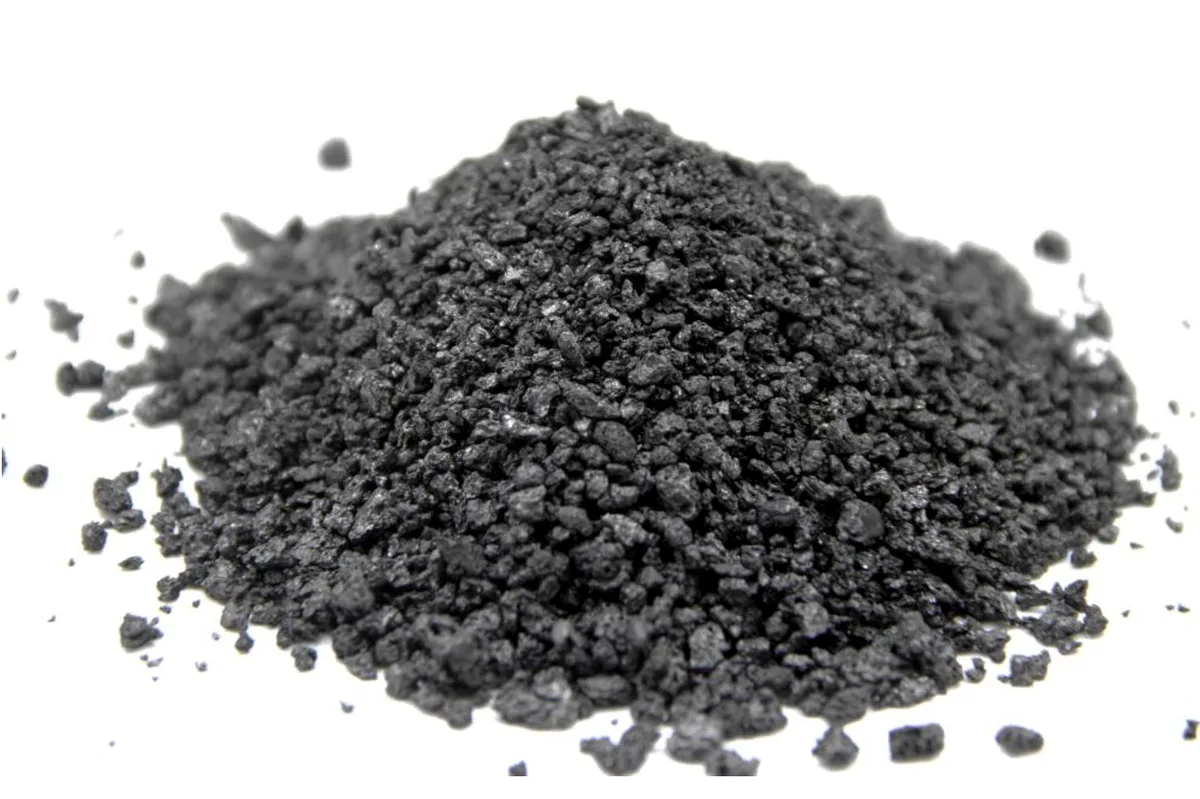
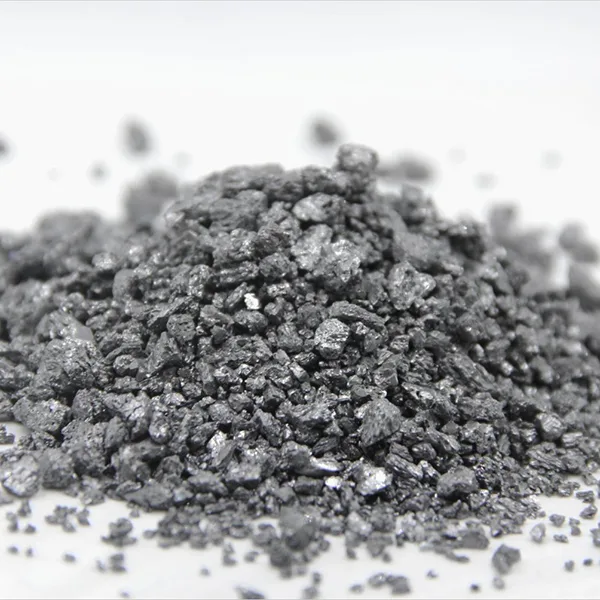
These carbon additives and alloy products are optimized for foundry applications.
Key Benefits
Cleaner melt chemistry producing castings with smoother surfaces and fewer inclusion-related defects
Gas porosity reduced by 60–80% compared to using uncalcined or poorly characterized recarburizer
Consistent CE control enabling predictable tensile strength, elongation, and hardness in finished castings
Consistent results across production batches
Need Carbon Additives for Foundry?
Our technical team can recommend the optimal carbon additive grade, particle size, and addition practice for your specific foundry process. Request a free sample to validate performance in your furnace before committing to production volumes.