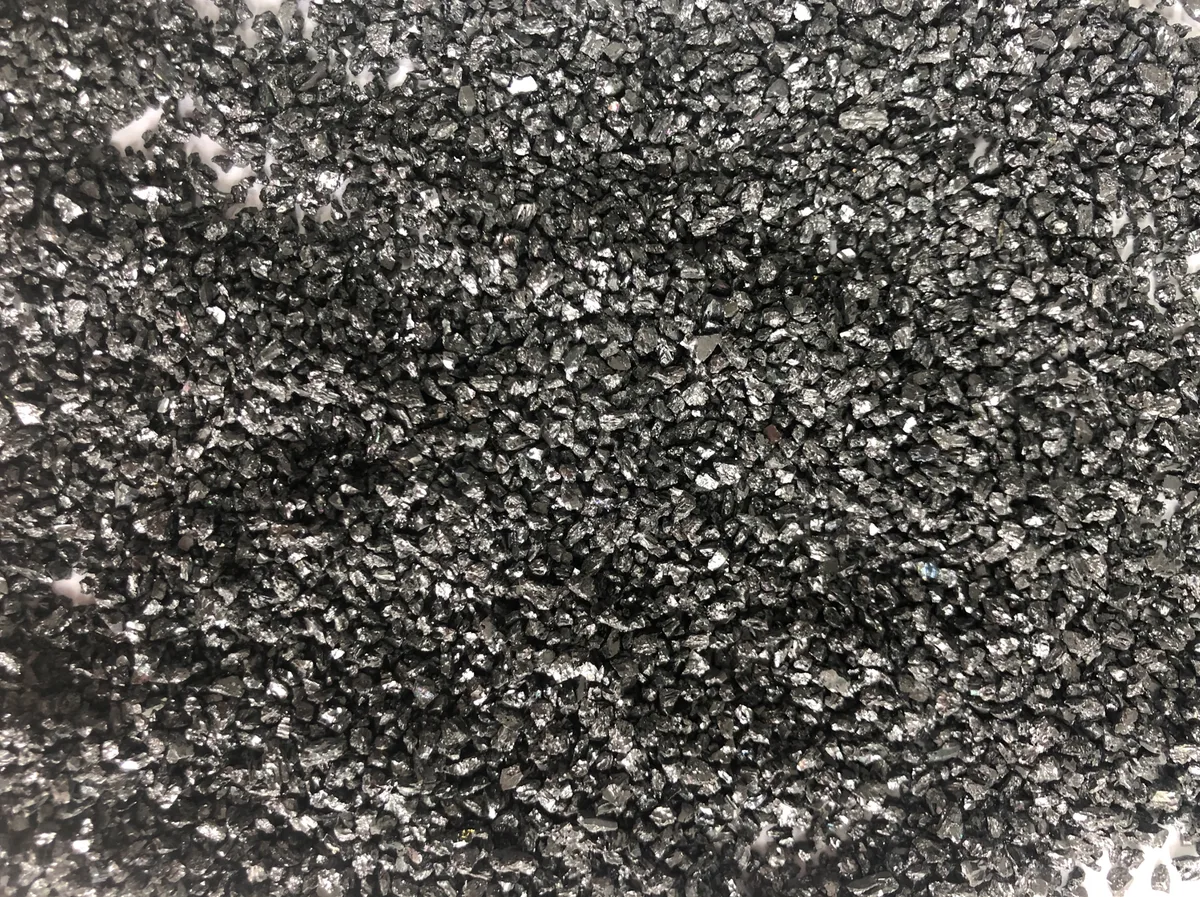
Aluminum smelting is a high-temperature, chemically aggressive environment where the stability and purity of carbon and ceramic inputs determine current efficiency, cell life, and maintenance cycles. Two materials are central to that reliability: calcined anthracite (CAC) for cathode blocks and pastes, and silicon carbide (SiC) for refractories, wear zones, and high-heat components.
Where CAC and SiC Fit in the Smelter
CAC — Cathode Blocks and Carbon Pastes
- Role: Base carbon in cathode blocks and pastes. Demands low ash, low sulfur, consistent density and porosity, and dimensional stability to minimize voltage drop and extend service life.
- ECA vs GCA: Electrically Calcined Anthracite (ECA) is often preferred for cathode products due to higher treatment temperatures, improving crystal structure stability. Gas Calcined Anthracite (GCA) offers cost advantages for less demanding positions.
SiC — Refractories and Wear Zones
- Role: Thermal shock resistance, high hardness, oxidation and corrosion resistance. Used in sidewall linings, launders, and wear-critical parts where temperature gradients and chemical attack are severe.
Specifications That Affect Cell Life
CAC for Cathodes (Typical Targets)
| Parameter | Target Range | Impact |
|---|
| Ash | ≤4–6% | Lower ash = longer cathode life, less contamination |
| Sulfur | ≤0.25–0.35% | Reduces SO₂ emissions, prevents metal contamination |
| Fixed Carbon | ≥90–95% | Higher FC = better electrical conductivity |
| Real Density | Consistent lot-to-lot | Uniform paste baking and block performance |
SiC for Refractories
| Parameter | Requirement | Reason |
|---|
| SiC Content | ≥85-90% | Thermal and chemical resistance |
| Thermal Conductivity | High | Uniform heat distribution |
| Hot Strength | Maintained to 1600°C | Structural integrity under load |
| Grain Size | Engineered PSD | Match lining design specification |
Procurement Considerations
- Request COA per lot — ash, sulfur, FC, real density, and PSD should be documented
- Verify calcination temperature — higher temperatures produce more stable carbon structures
- Check fines percentage — excess fines (<1mm) reduce cathode block quality
- SiC grade matching — confirm whether metallurgical or refractory grade is needed for your application
- Trial quantities — start with 1-2 MT for laboratory characterization before committing to bulk