
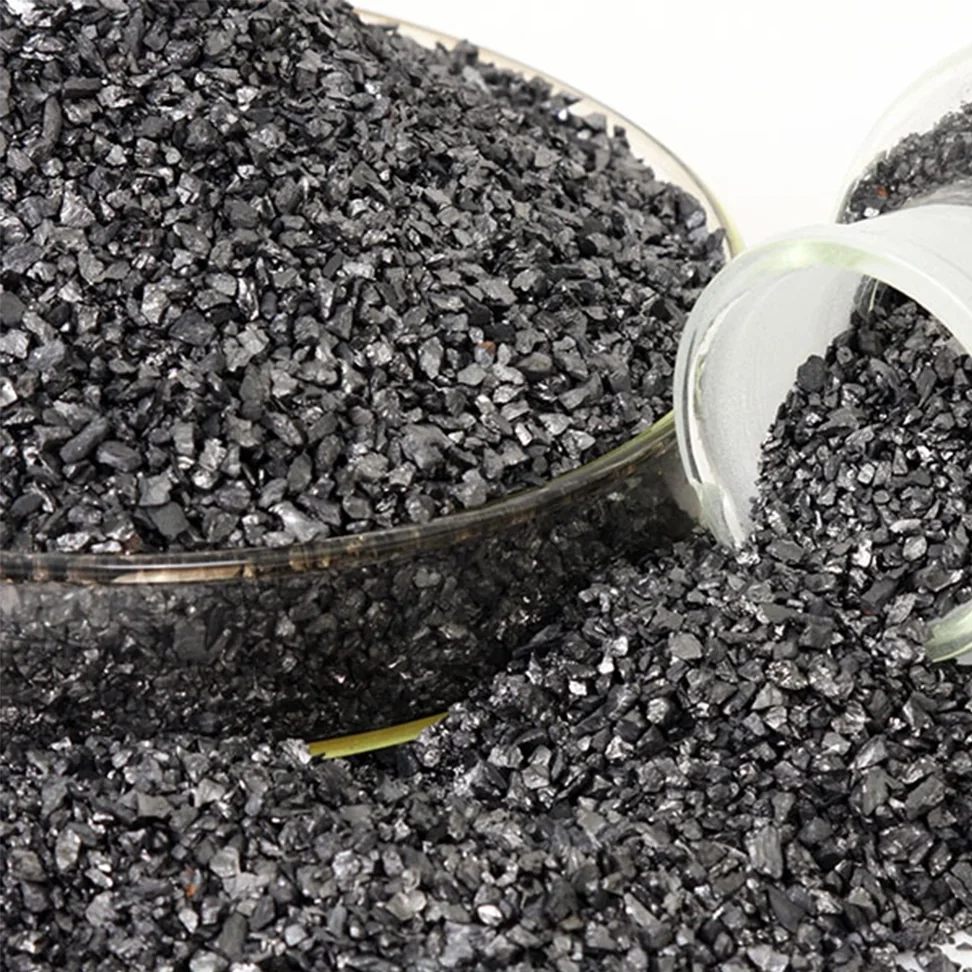
Calcined anthracite (CAC) is produced by high-temperature treatment of anthracite coal to remove volatile matter and residual moisture, leaving a carbon-rich material used as a steelmaking and foundry recarburizer. Buyers compare lots mainly through fixed carbon, ash, volatile matter, sulfur, and moisture—plus particle size and sometimes trace elements important to a specific melt.
Fixed carbon and ash: two sides of one coin
Fixed carbon tells you how much usable carbon you purchased relative to non-carbon mass at the stated test basis. Ash tells you how much mineral burden arrives with that carbon. A high-FC, high-ash combination can still be workable—or not—depending on slag practice and ladle chemistry targets.
On procurement calls, ask suppliers to explain why a grade sits where it does on the FC–ash map, referencing feed rank and calcination intensity in general terms.
Volatile matter (VM): “how calcined is it?”
After calcination, volatile matter should fall into a band typical for the product family. Surprising VM deviations can indicate process variability, blending, or moisture/organics issues—each of which has different operational consequences in feeding and furnace behavior.
Sulfur: the element everyone tracks
Sulfur in CAC is inherited largely from raw anthracite and is managed through mine source and beneficiation/calcination choices available to the producer. Buyers should specify a maximum aligned with plant practice rather than assuming “low” is meaningful without a number.
Moisture and commercial weights
Moisture affects tonnage economics and sometimes fines generation in handling. If your contract references dry weights, ensure the COA line supports the commercial adjustment you expect.
Anthracite source in plain language (typical discussion)
Industry conversation often references Ningxia Taixi anthracite as a historic reference point for materials associated with low ash, low sulfur, and low phosphorus tendencies—useful for orientation, not as a substitute for lot testing. Always anchor decisions to COA for the cargo.
Grade systems: how teams talk without standardization
There is no single global “CAC grade alphabet” that every supplier defines identically. Commercially, grades cluster around:
- FC targets (bands such as low/mid/high within the 90–95% discussion)
- sulfur ceilings
- size fractions for specific furnace types
Buyer habit: build an internal table mapping your furnace outcomes to FC, S, ash, and size—then use supplier grades as labels mapped into your table.
Practical acceptance checklist
- COA matches purchase order limits on FC, ash, VM, S, moisture.
- Particle size matches feeding equipment and dissolution expectations.
- Document basis (dry vs as-received) matches invoice language.
- If needed, agree that third-party inspection can be arranged.