
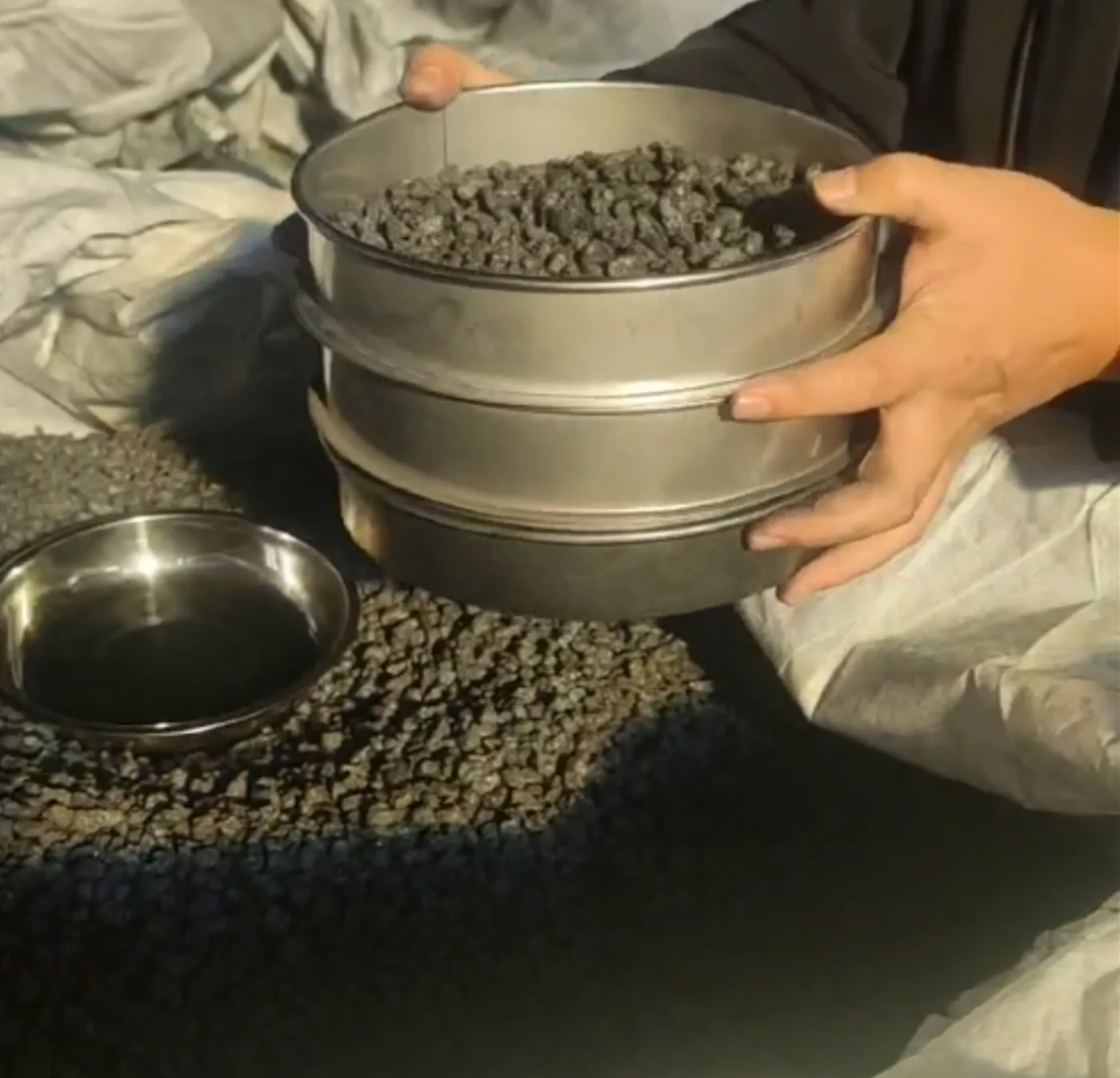
Graphitized petroleum coke (GPC) is often discussed as a recarburizer option when teams want high fixed carbon and to manage impurity carry-in carefully. Among those impurities, sulfur and nitrogen get outsized attention in ductile iron and in steel routes where narrow chemical windows protect mechanical properties. This article explains why those elements surface in technical conversations—without implying universal thresholds.
Sulfur: shape, treatment, and practical margins
In ductile (nodular) iron, sulfur competes with the objectives of magnesium treatment. Higher sulfur burdens can increase demands on the treatment alloy budget and make process latitude feel tighter from heat to heat, especially when other sulfur sources (scrap, MgFeSi, slag) move in the wrong direction at the same time.
Teams often describe this as a nodularity risk conversation: not because carbon additive is the only sulfur input, but because it is an avoidable increment when alternative grades exist and COA aligns with practice.
Safe procurement habit: compare sulfur on per kilogram of carbon added, not only ppm in the bag.
Nitrogen: when it becomes part of the specification story
Porosity and gas-related defects in castings can have many root causes: gating, binder systems, moisture, microwave-of-inoculation timing, and chemistry. Nitrogen enters the discussion because some routes show sensitivity where small chemistry shifts correlate with pinholes or subsurface porosity under marginal conditions.
This does not mean nitrogen from recarburizer is always decisive; it means that when a plant is already near its process edge, nitrogen documentation can be part of a conservative release checklist.
For nitrogen-sensitive applications, request latest N data or third-party test report before ordering.
Why GPC is discussed alongside low sulfur (typical specification context)
Market language often associates GPC with low sulfur offerings relative to many calcined grades, because the graphitization route and feed selection can produce carbon additives that fit tight sulfur budgets—subject to the specific COA.
Treat brochure ranges as orientation; treat lot testing as authority.
What buyers should do next
- Align internally on maximum sulfur and whether nitrogen is a tracked element.
- Ask suppliers for COA tied to the exact parcel you intend to receive.
- If disputes are costly, plan split sampling and agree on referee methods up front.
- Remember: additional documentation may be available on request, and third-party inspection can be arranged.