
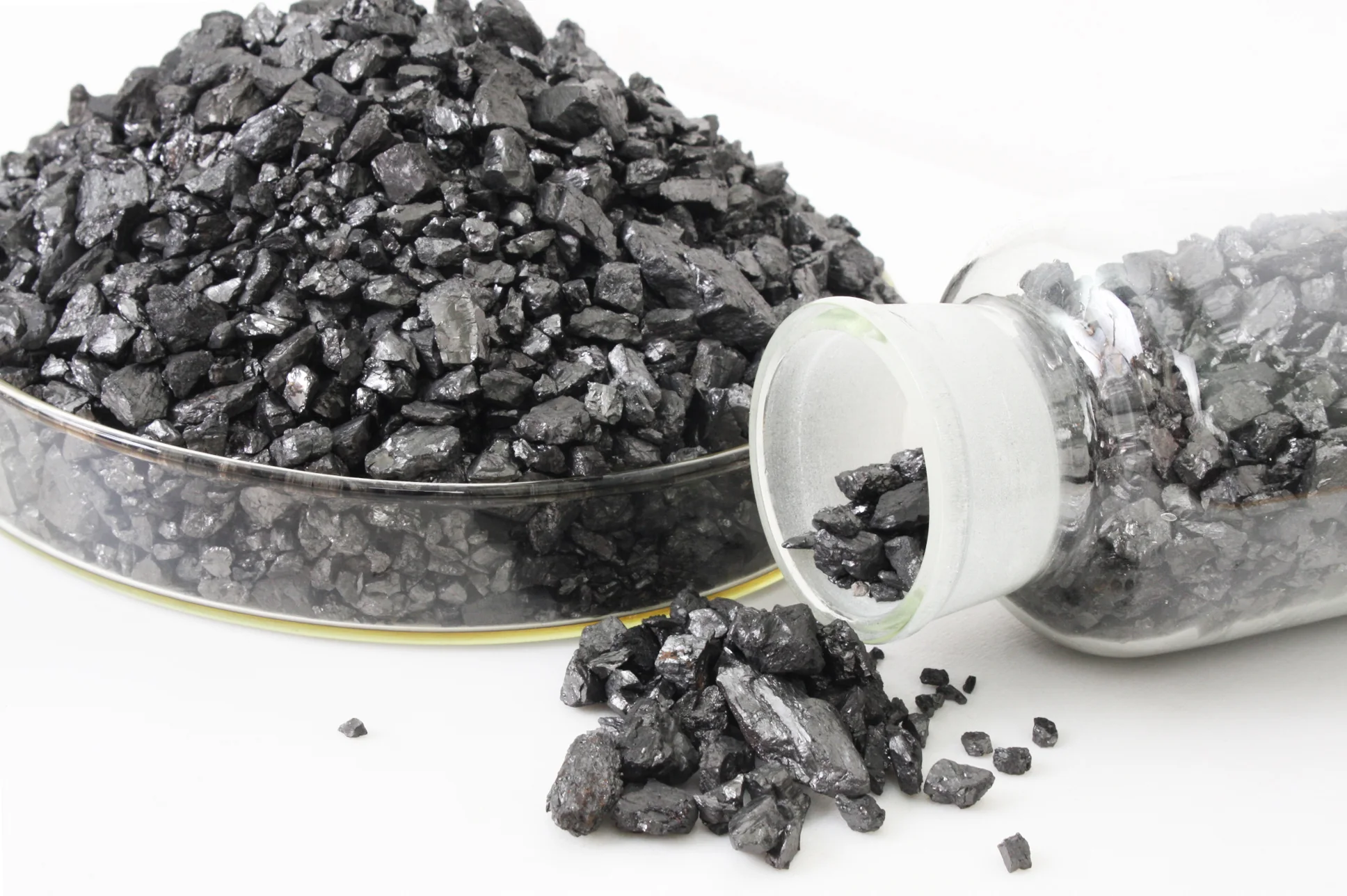
Particle size is one of the most under-specified lines on recarburizer purchase orders—and one of the fastest ways to lose carbon efficiency in the plant. Size influences surface area, float/skin behavior, dissolution time, and fines generation during transport. This guide connects size choices to furnace type and feeding method using typical plant patterns; validate with trials on your equipment.
Absorption: what size changes in practice
Smaller particles present more surface area per kilogram, which can speed initial contact with the melt but can also increase oxidation and entrainment risk if feeding practice does not match. Larger particles can persist longer at the slag–metal interface, which may help or hinder depending on stirring, slag viscosity, and temperature profile.
There is no universal optimum—only an optimum window discovered through heat trials with controlled additions.
Fines: hidden carbon tax
Fines increase dust losses, clog chutes, skew sampling, and can change how procurement thinks it bought “one size” but operations receive “another handling outcome.” Ask suppliers how material is screened, packaged, and whether fines limits are stated or implied.
If your site pneumatically conveys material, fines management is not a footnote—it is mechanical reliability.
Induction furnaces: common starting points in discussion
Many induction shops favor 1–5 mm bands for batch adds where operators want predictable dissolution without excessive float. Sub-millimeter fractions appear in injection-style discussions, but require different dust collection and oxidation safeguards.
Buyer check: align size with power input ramps and bath depth, not only the furnace OEM brochure.
EAF and LF: ladle and slag interface behavior
In electric arc melting and ladle metallurgy, recarburizer often meets slag before metal. Size influences penetration and carbon carryover into slag. Teams sometimes split purchases: coarser for vigorous bath conditions, finer for controlled ladle trims—subject to what the COA-backed size curve actually delivers.
Foundry cupolas and other routes
Cupola and shaft melting routes have their own charge column mechanics; size interacts with coke bed, blast, and charging sequence. If you operate multiple melting assets, resist one-size-fits-all stocking unless logistics benefits clearly outweigh yield variation.
Handling and packaging: ask the boring questions
- Is material dry enough for your climate and storage?
- Does bulk delivery match loader practice without generating fines?
- Do bags survive forklift handling without segregation?
When to tighten the specification
Tighten size bands when:
- Chemistry windows are narrow and repeatability matters heat-to-heat.
- You measure carbon recovery swings that track loader behavior more than supplier chemistry.
- You observe dusting correlated with shifts in carrier or stock rotation.
Closing reminder
Particle size is a process variable. Pair supplier documentation with sieve data (when provided), reconcile with on-site screens if needed, and use third-party inspection can be arranged when contractual release requires independent verification.